

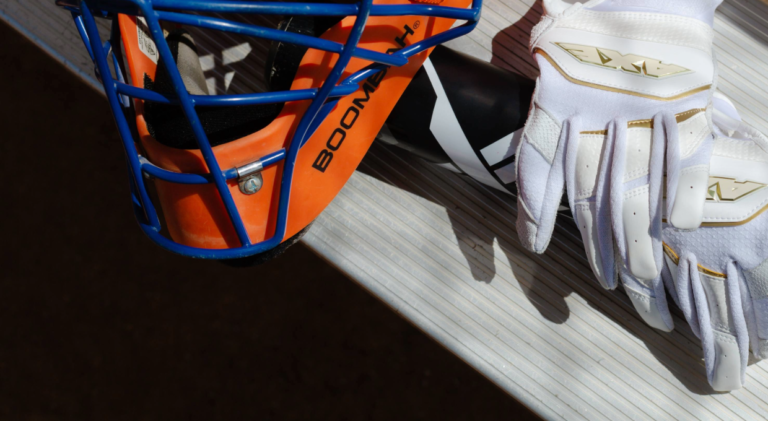

Every athlete, parent, and weekend warrior knows the financial reality of sports: gear is expensive, kids outgrow pads and cleats faster than expected, and upgrading to newer equipment often leaves high-performing items sitting unused in a garage or basement. Traditional classified boards can feel chaotic and unreliable, while massive generalist marketplaces are crowded with counterfeit items, unclear condition descriptions, and buyers who ghost at the last minute.
SidelineSwap (https://sidelineswap.com/) steps directly into that gap as a dedicated peer-to-peer marketplace built exclusively for sports gear and outdoor equipment. Rather than forcing athletes to hunt through unrelated household items, it organizes buying and selling around sport-specific specs, sizing, and community trust.
In this comprehensive review, we examine how SidelineSwap operates, what categories it covers, how its pricing and protection policies work, and where it excels or falls short compared to alternatives. Whether you are trying to outfit a growing youth athlete, score a deal on pro-style gear, or turn unused equipment back into cash, this guide breaks down what to expect before you list or buy.
What is SidelineSwap?
SidelineSwap is an online marketplace dedicated to buying and selling new and used sports equipment and sporting goods. It connects individual athletes, families, coaches, and sports retailers directly so gear can be reused, traded up, or purchased at lower price points than retail.
Unlike broad second-hand platforms where sports items are an afterthought, SidelineSwap treats sporting goods as its core domain. Listings are structured around sport-specific details—such as stick flex, skate size, glove pocket style, bike frame dimensions, or ski length—making it much easier for buyers to verify fit and utility before paying.
The platform serves a dual role in the sports ecosystem:
-
For buyers: It provides access to discounted used gear, overstock or clearance new equipment, and hard-to-find models at prices often well below retail.
-
For sellers: It offers a targeted audience of active sports participants who already understand the value of quality equipment and are actively searching for specific gear.
SidelineSwap Overview
SidelineSwap emerged to solve a practical problem familiar to athletes and sports families: turning outgrown or surplus sports equipment into value without the friction of traditional local swaps or generic online listings. Over time, it has grown into one of the most recognizable specialized marketplaces for sports gear in North America.
Its business model revolves around facilitating transactions between buyers and sellers while providing structured tools for listings, messaging, shipping, and payment protection. Alongside everyday individual sellers and buyers, the platform also hosts storefronts from sporting goods shops, team dealers, and brands looking to move excess inventory or sample/demo stock.
While its primary footprint and shipping norms center on the United States (and cross-border dynamics can vary by item and seller settings), its core identity remains consistent: a community-driven, sport-focused marketplace designed around speed, clarity, and trust.
Sports Equipment & Categories Available on SidelineSwap
One of SidelineSwap’s biggest strengths is the breadth and depth of its sports catalog. Instead of lumping everything under a single “Sports & Outdoors” label, the platform breaks gear down by sport and equipment type so buyers can filter down to exact specifications.
Core Sports & Gear Categories
Ice Hockey & Lacrosse: Sticks, skates, helmets, shoulder/elbow/shin pads, goalie equipment, lacrosse heads, shafts, complete sticks, and protective gear.
Baseball & Softball: Bats (BBCOR, USSSA, USA, fastpitch), catcher’s gear, fielding gloves, batting gloves, cleats, and bags.
Football: Helmets, shoulder pads, cleats, girdles, receiver gloves, and training gear.
Soccer, Basketball & Racquet Sports: Cleats, shin guards, balls, court shoes, rackets, and athletic bags.
Skiing, Snowboarding & Cycling: Skis, snowboards, boots, bindings, poles, helmets, bikes, and cycling components.
Golf, Running & Fitness: Clubs, bags, range accessories, running shoes/apparel, and home gym or training equipment.
Because equipment requirements vary dramatically by age, position, and skill level, having dedicated category trees saves time and helps sellers showcase relevant technical specs rather than generic descriptions.
Key Features of SidelineSwap Explained
SidelineSwap includes several platform features tailored specifically to how sports equipment is bought, sold, and traded:
Sport-Specific Listing Attributes: Sellers can enter structured details (like hand orientation, length, size, or model year) so buyers can filter results accurately instead of reading through walls of text.
Make an Offer & Negotiation: Many listings allow buyers to submit offers below the asking price, encouraging flexible pricing while keeping negotiations transparent within the platform.
Trade Options: Some sellers opt into gear trades, allowing users to swap equipment rather than relying strictly on cash—a useful perk when upgrading gear.
Integrated Shipping Labels & Tracking: Sellers can generate shipping labels directly through the platform and track packages through to delivery, reducing guesswork around postage costs and delivery confirmation.
Messaging & Item Questions: Buyers can message sellers directly to ask about wear patterns, cracks, sizing nuances, or additional photos before committing to a purchase.
How Does SidelineSwap Work?
At a high level, SidelineSwap operates as an online intermediary that brings buyers and sellers together, handles checkout and payment collection, coordinates shipping, and protects transactions when rules are followed.
List or Browse: A seller creates a listing with photos, condition details, price, and shipping setup; a buyer searches by sport, category, price, or condition.
Agree on Price: A buyer either purchases at the listed “Buy Now” price or negotiates via an offer (if enabled by the seller).
Checkout & Payment: The buyer pays through SidelineSwap at checkout. Funds are held/processed through the platform rather than handed over in cash at a random meetup.
Ship & Track: The seller packs the item securely and ships it using tracking so delivery status is visible to both parties.
Completion & Payout: Once delivery is confirmed and any applicable inspection/protection window clears without an issue, the seller’s payout is released according to platform terms.
Buying Process on SidelineSwap
Buying on SidelineSwap is straightforward, especially if you take advantage of its filtering and verification habits:
Search and Filter: Start with your sport and category, then narrow down by size, brand, condition (new vs. used), and price range.
Inspect Photos & Specs: Don’t rely on a single stock or cover photo. Look closely at high-wear zones—such as bat barrels, hockey stick blades/shafts, skate toes/tendon guards, ski edges, or glove lacing—and read the seller’s notes carefully.
Ask Questions First: If a detail isn’t clear (for example, whether a helmet has recertification dates or how much life left in cleats), message the seller before buying or making an offer.
Make an Offer or Buy Now: If the price fits your budget, buy immediately; if offers are open, send a reasonable offer rather than a lowball that gets ignored.
Complete Checkout & Track Delivery: Pay through the platform, monitor tracking updates, and inspect the item promptly upon arrival.
Selling Process & Seller Tools
Selling outgrown or unused gear on SidelineSwap designed to be quick enough for busy parents and players while giving serious sellers enough control to price competitively.
Step-by-Step Selling Workflow
- Take Clear, Honest Photos: Capture well-lit photos from multiple angles, including close-ups of any scuffs, scratches, fraying, or wear. Honest photos reduce disputes and build buyer confidence.
- Choose Accurate Category & Specs: Select the right sport, category, and sizing/spec fields so your listing shows up in relevant searches.
- Set Price & Shipping: Check comparable active and recently sold listings to price realistically. Configure shipping options clearly so buyers aren’t surprised at checkout.
- Respond Promptly to Offers & Questions: Quick replies often make the difference between a fast sale and a buyer moving on to another listing.
- Pack Securely & Ship On Time: Use sturdy boxes or protective wrapping—especially for long items like sticks, bats, or skis—and ship promptly once sold.
Helpful Seller Habits
Bundle Related Items: Pairing smaller items (like shin guards and socks, or extra accessories) can sometimes move inventory faster and save on shipping relative to item value.
Refresh Stale Listings: Periodically reviewing pricing or adding clearer photos can help older listings regain traction.
SidelineSwap Pricing, Fees & Commission Structure
Understanding marketplace fees is essential before listing items so you know your true net payout. On SidelineSwap, sellers pay a selling fee / commission (along with any applicable payment processing or platform terms in effect at the time of sale), while buyers pay the item price plus shipping and any applicable taxes or buyer-side fees depending on current checkout rules.
| Cost / Fee Type | Who Typically Pays | Key Thing to Watch |
| Seller Commission / Selling Fee | Seller (deducted from sale proceeds) | Check current fee percentages/tiers in your seller dashboard before listing high-value gear |
| Shipping Cost | Buyer or Seller (depending on listing setup) | Bulky or long sports gear (skis, golf bags, hockey sticks) can cost significantly more to ship |
| Taxes & Checkout Charges | Buyer (where applicable by location/law) | Sales tax or applicable platform charges are calculated at checkout |
| Payment / Payout Timing | Seller | Payouts follow platform processing and delivery/completion rules |
Tip: Because marketplace fee structures, promotional rates, and shipping rules can evolve over time, always verify the exact estimated payout calculator inside the listing creation screen before publishing.
Pros & Cons
No marketplace is perfect for every situation. Here is an objective look at where SidelineSwap shines and where it has friction.
Pros
- Built Specifically for Sports Gear: Sport-specific filters and terminology make finding the right equipment much easier than on general marketplaces.
- Strong Selection of Used & Clearance Gear: Great for finding discounted equipment for growing youth athletes or backup/secondary gear.
- Targeted Audience: People browsing SidelineSwap are actively looking for sports equipment, increasing the chance your listing reaches a real buyer.
- Streamlined Online Checkout & Shipping: Avoids awkward cash meetups and no-shows while supporting tracked shipping.
- Offer & Trade Flexibility: Helps buyers and sellers bridge price gaps or swap gear.
Cons
- Shipping Costs on Heavy/Oversized Items: Large or bulky items (like bikes, ski setups, or full goalie bags) can carry high shipping costs that eat into savings or seller margins.
- Condition Varies by Seller: Because many listings come from individuals, gear quality ranges from nearly new to heavily worn—requiring careful photo inspection.
- Fees Reduce Seller Net Proceeds: Commission and shipping considerations mean sellers won’t pocket 100% of the sticker price.
- Not Ideal for Instant Same-Day Needs: If you need gear tonight for a game or tournament, waiting on shipping may not work unless local options apply.
Buyer Experience & Product Quality
For buyers, the overall experience on SidelineSwap is generally smooth when you shop smartly. Because the platform focuses on sports, sellers tend to know basic gear terms—such as flex ratings, pocket depth, bat certifications, or boot sizing—better than random sellers on a general classifieds app.
However, product quality is only as reliable as the listing and your due diligence. A used hockey stick or composite bat might look great from ten feet away but have structural fatigue, or a used helmet/pad set might show heavy impact or sweat wear. Smart buyers treat photos as evidence, ask targeted questions about wear and tear, and factor shipping into the total landed cost rather than looking only at the item price.
Seller Experience & Payment Process
For sellers, SidelineSwap removes much of the social friction of selling locally. You don’t have to coordinate schedules with flaky buyers or negotiate cash in parking lots—you list, answer questions, pack the item, ship with tracking, and get paid through the platform.
The main operational lessons for sellers are accurate expectations and careful packaging:
Price With Fees in Mind: Factor in selling commissions and realistic shipping costs so you aren’t caught off guard when your payout arrives.
Describe Flaws Upfront: Being transparent about cosmetic scratches or wear protects you in disputes and builds repeat buyer trust.
Pack for Rough Transit: Carriers handle packages on conveyor belts and trucks; padding corners, tips, and fragile edges prevents transit damage claims.
Shipping, Returns & Refund Policy
The shipping and returns are critical parts of buying sports equipment online because sizing and fit can be tricky—especially with footwear, skates, helmets, and protective gear.
Shipping: Most transactions rely on tracked shipping with clear delivery confirmation. Oversized or heavy items require extra attention to box dimensions and carrier rates so shipping doesn’t exceed the value of the gear.
Returns & Refunds: Unlike big-box retail stores with hassle-free 30-day no-questions-asked returns on every item, peer-to-peer sports marketplaces generally tie return eligibility and buyer protection to specific conditions—such as items not arriving, arriving damaged in transit, or being significantly not as described. Buyer’s remorse or sizing mistakes are often treated differently from seller misrepresentation, depending on seller policy and platform rules.
Always review the specific listing terms and SidelineSwap’s current buyer protection and return guidelines before checking out, and document unboxing/condition if an issue ever arises.
Safety, Buyer Protection & Trustworthiness
Trust is the backbone of any peer-to-peer marketplace. SidelineSwap builds trust through structured platform checkout, tracking visibility, user profiles/ratings, and dispute/protection mechanisms designed to address non-delivery or items that arrive materially different from their listing.
To stay safe and protect yourself on either side of a transaction:
Keep Communication & Payment On-Platform: Conducting deals off-platform removes platform protections and increases scam risk.
Check Seller History & Photos: Look for clear, original photos (not just stock images) and reasonable pricing compared to market value. If a deal looks dramatically too good to be true, proceed with caution.
Verify Safety & Certification Standards: For protective or regulated gear (such as helmets, certain bats, or safety equipment), check current certifications, expiration/recertification rules where applicable, and structural integrity before using gear in play.
SidelineSwap vs Competitors (eBay, Play It Again Sports, Geartrade & Facebook Marketplace)
How does SidelineSwap stack up against the other places athletes commonly buy and sell sports gear?
| Platform | Best For | Key Strength | Main Limitation |
| SidelineSwap | Sport-specific buying, selling & trading gear | Tailored sports categories, specs, and active sports audience | Shipping costs on bulky gear; peer-to-peer condition variance |
| eBay | Wide variety, auctions, collectibles & global reach | Massive inventory and strong buyer/seller dispute infrastructure | Less specialized sports UX; lots of clutter outside sports |
| Play It Again Sports | Immediate in-person try-on, trade-ins & local shops | Try gear on in person and walk out same day (where stores exist) | Limited to local store inventory and store trade-in values |
| Geartrade | Outdoor, ski, snowboard & adventure gear | Strong focus on outdoor and mountain/snow equipment | Narrower focus than multi-sport marketplaces |
| Facebook Marketplace | Free local pickup & avoiding shipping fees | Zero shipping cost for local cash/pickup deals | Noisy listings, no-shows, and less sport-specific structure |
In short: choose Facebook Marketplace or Play It Again Sports when local convenience or trying gear on in person matters most; choose eBay for broad auction/collector variety; and choose SidelineSwap when you want a dedicated sports marketplace with sport-specific search and nationwide reach.
Who Should Use SidelineSwap?
SidelineSwap a strong fit for several distinct groups:
Sports Parents: Kids outgrow gear constantly; buying secondhand or selling outgrown equipment helps manage seasonal costs.
Youth, High School & Rec Athletes: Great for finding reliable equipment, backup gear, or upgrades without paying full retail every time.
Budget-Conscious & Value Shoppers: Ideal if you enjoy hunting for deals and comparing condition vs. price.
Sellers Clearing Out Gear: Anyone with quality sports equipment gathering dust who wants a targeted buyer pool rather than listing on a generic garage-sale board.
It is less ideal if you need equipment today for an immediate game, refuse to pay shipping on heavy items, or strongly prefer trying every item on in a physical store before deciding.
Expert Verdict
SidelineSwap earns high marks as a specialized, purpose-built marketplace for sports equipment. Its biggest advantage isn’t magic—it’s relevance. Because the platform designed around sports categories, equipment specs, and active athletes, both discovery and selling feel far more natural than on generalist classified sites.
At the same time, it rewards smart habits. Buyers get the best value when they inspect photos carefully, ask questions about wear, and calculate total cost including shipping. Sellers get the best results when they price competitively after accounting for fees and shipping, photograph flaws honestly, and pack items securely.
Bottom line: If you regularly buy or sell sports gear, SidelineSwap belongs on your short list as one of the most practical online marketplaces for getting more life—and value—out of sporting equipment.
Frequently Asked Questions (FAQs)
Is SidelineSwap legit and safe to use?
Yes, SidelineSwap a legitimate marketplace focused on sports equipment, with structured checkout, order tracking, and buyer/seller protection policies. As with any peer-to-peer platform, keeping transactions on-platform and reviewing photos and seller details carefully is best practice.
Can you buy brand-new gear on SidelineSwap, or it only used?
You can find both used and new equipment. Many listings gently used or heavily used items from individuals, while others brand-new items from overstock, retail shops, team dealers, or unused gear being resold.
Can you negotiate prices or trade gear on SidelineSwap?
Many sellers enable offers so buyers can propose a lower price, and some listings support trades. However, whether offers or trades accepted depends on each individual seller’s preferences and listing settings.
Why can shipping be expensive on some SidelineSwap items?
Sports equipment often comes in awkward shapes or heavy weights—such as hockey sticks, bats, skis, golf bags, or protective gear bundles—which increases dimensional weight and carrier shipping costs. Always check total cost (item + shipping) before buying or setting prices.
What happens if an item arrives damaged or not as described?
If an item arrives significantly different from how it described or damaged in transit, buyers can raise an issue within the applicable protection window using clear photos and order details so the platform can review the transaction under its policies.
Is SidelineSwap better than Facebook Marketplace for selling sports gear?
It depends on your priority. SidelineSwap gives you a sports-focused audience and streamlined shipping without local meetup flake-outs, while Facebook Marketplace lets you avoid shipping costs if you have strong local demand and want quick local pickup.
Final Conclusion
Sports equipment meant to played with, not forgotten in a closet. SidelineSwap makes it easier to keep good gear in circulation—helping athletes save money, families manage growing costs, and sellers turn unused equipment back into useful value.
Approach each listing with clear eyes, verify sizing and condition details upfront, and account for shipping and platform fees in your math. Done right, SidelineSwap can be one of the smartest tools in your sports gear toolkit.
